

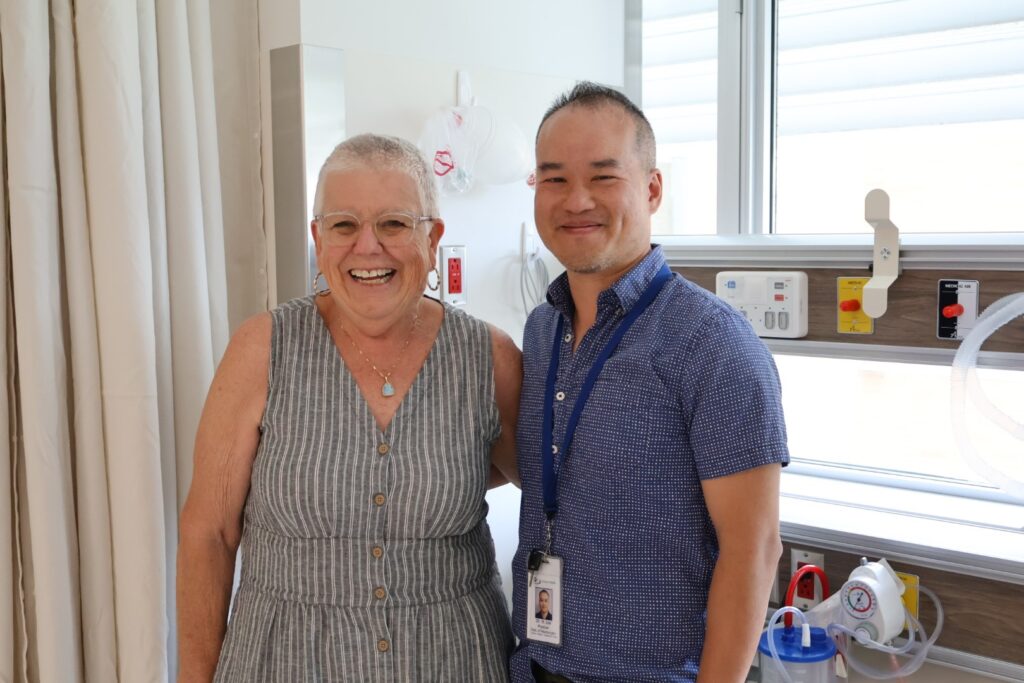
The Gold Chain of Care
Behind every advancement in healthcare is a person whose life will depend on what happens next: a diagnosis reached sooner, a procedure performed closer to home, a physician equipped with the necessary technology at precisely the right moment. The RIH Foundation’s highest fundraising priorities are advancing surgical care and expanding specialized treatment locally. Together, we are helping build the next links in care for patients across our region.
On March 15, 2026, Verita van Diemen was visiting family in Powell River when she fell down two stairs, striking her head on the hardwood floor below. Her family rushed her to the emergency department, where she received six stitches. With no broken bones or severe headache, Verita returned home and carried on with her life, travelling and making plans with friends and family.
But quietly, something was happening beneath the surface.
Two months later, friends noticed that Verita seemed more tired and unusually quiet. She had also begun struggling with her left leg, which she initially attributed to a previous knee injury. When her foot began catching on the ground, she thought it was unusual but wondered whether muscle weakness from the previous injury might be to blame.
On May 23, during dinner at her sister Lynnette’s house, they discussed the weakness in Verita’s leg and foot. Lynnette told her, “A tweaked knee would not cause weakness in your foot.” Verita then called Matt Webb, her daughter-in-law’s brother and an emergency nurse, who encouraged her to visit RIH’s Teck Emergency Department, explaining that it was “better to be safe than sorry.”
Emergency physician, Dr. Tomas Rapaport, listened carefully as Verita described her symptoms. When he asked whether she had fallen recently, she answered, “No.” In that moment, she was not thinking about the fall she had experienced two months earlier. Perhaps if he had asked whether she had fallen within the last three months, she would have answered differently. Clinically, significant falls can require monitoring for up to three months. Dr. Rapaport believed Verita and ordered a CT scan. The scan revealed bilateral subdural hematomas, slow bleeds on the right and left frontal lobes of her brain. The diagnosis required immediate surgical intervention.
“Dr. Rapaport saw the magnitude of my concerns and believed me when I said I knew something was wrong. He took the time to investigate and take action. I felt heard and validated. It brought tears to my eyes,” Verita explains.
Neurosurgeon Dr. Hubert Lee performed the operation that saved her life. Verita spent the following three days recovering in the Afternoon Auxiliary Post Anesthetic Recovery (PAR) Unit, surrounded by hospital staff and loved ones who had travelled from near and far to be at her side. After returning home, her family and friends, including her dear friend Cindy, helped care for her as she slowly regained her strength.

When she was well enough, Verita began planning a special thank-you for the team who had cared for her. She returned to RIH with a catered picnic featuring appetizers, fresh fruit and homemade baking for staff to enjoy throughout their shifts. She also wrote a heartfelt letter and stayed as team members came and went, personally thanking them for the care, compassion, and professionalism they had shown her.
While recovering, Verita reflected on her experience and began to think of each person who had helped lead her to that lifesaving surgery as a link in a gold chain: the friends who noticed something was wrong; her sister Lynnette, who encouraged her to visit the emergency department; Matt Webb, who said it was better to be safe than sorry; Dr. Rapaport, who genuinely listened to her concerns; Dr. Lee, whose expertise was critical in the operating room and beyond; the hospital staff who cared for her; her loved ones and friend Cindy who never left her side.
“You could not get to the next link without the one before it,” Verita says. “Everyone came together like links in a beautiful gold chain, and that gold chain saved my life.”
Building the Next Link in Lifesaving Care
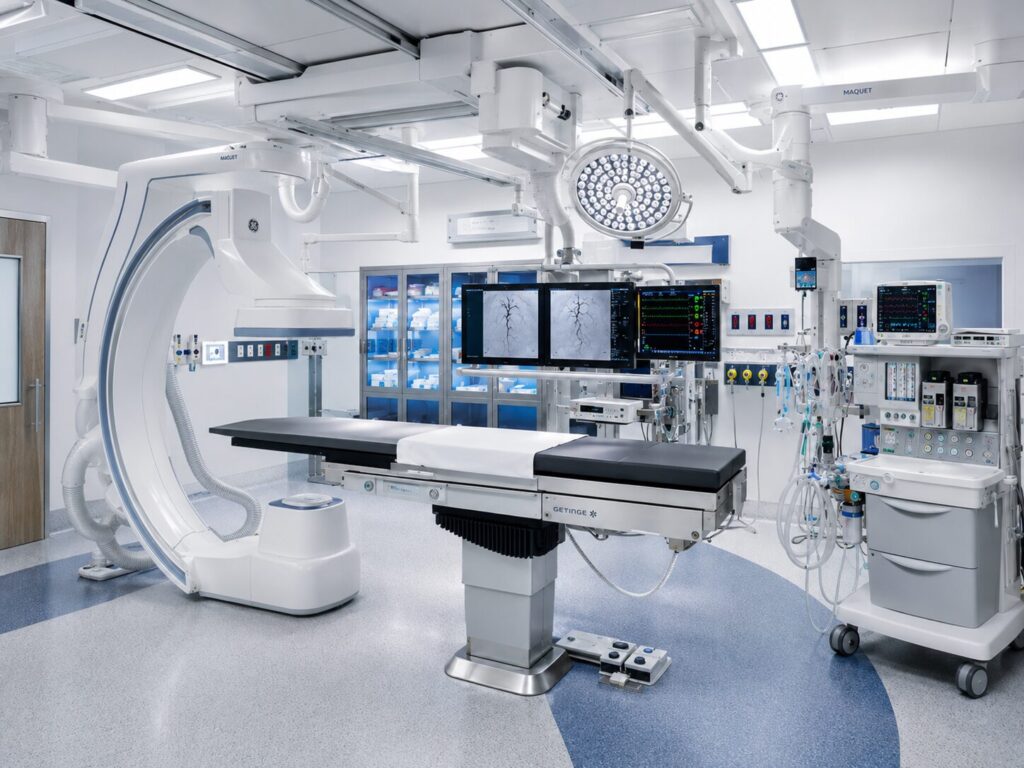
Hybrid Operating Room | $3 Million Commitment
A Hybrid Operating Room would combine advanced imaging and surgical technology in one specialized space, allowing physicians to perform complex vascular and neurological procedures with greater precision. These less invasive approaches can reduce risk, support faster recovery and bring new treatment options to Kamloops.
“The addition of a Hybrid OR to RIH will transform neuro-interventionalists’ ability to perform endovascular procedures to treat blood vessel diseases affecting the brain and spinal cord. By eliminating the need for open surgery, the risk of infection and concerns around wound healing are dramatically reduced with patients often being discharged from hospital earlier, giving them the best chance for recovery. This will greatly benefit patients suffering from conditions involving blockage of brain blood vessels, bleeding in and around the brain, and abnormal connections between the arteries and veins of the brain. While Verita’s case was more suitable for an open surgical approach, the Hybrid OR would allow us to perform a less invasive procedure for the same disease to treat patients who are less healthy or on blood thinners preventing a safe open operation. For patients in Kamloops, it would open the door to lifesaving treatment options that are not currently available at RIH.” – Dr. Hubert Lee, MD, RIH Neurosurgery
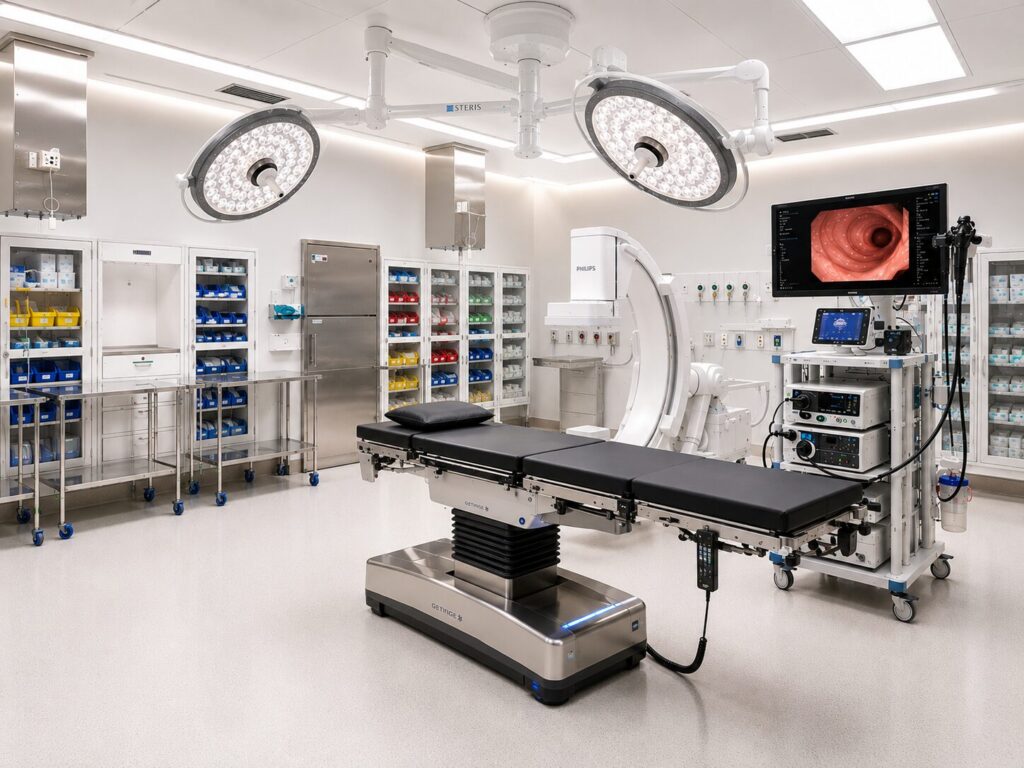
Endoscopic Retrograde Cholangiopancreatography (ERCP) Suite | $6.88 Million Commitment
A dedicated ERCP Suite would expand access to specialized care for patients with gallbladder, liver, bile duct and pancreatic conditions. Purpose-built for these complex procedures, it would improve patient safety and workflow efficiency while helping RIH attract and retain invaluable gastroenterology specialists.
The next link in care begins with you.